

AI that adapts to your workflow—not the other way around
The best tools don’t require teams to change how they work entirely. Instead, they integrate into tools your team already uses—email, dashboards, project systems.
This reduces friction and ensures adoption. If a tool requires too much effort to learn or switch to, it quickly becomes unused—no matter how powerful it is.
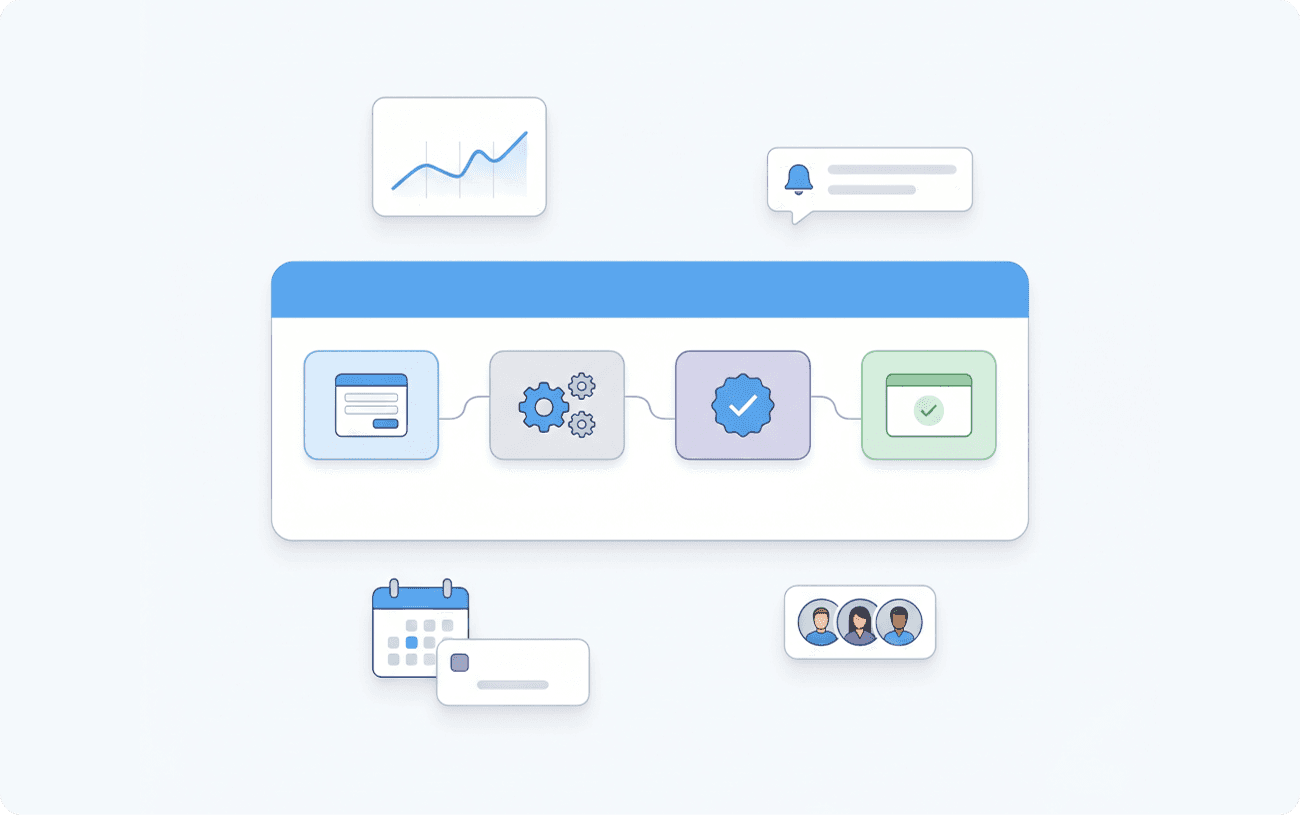
AI that streamlines decisions, not multiplies them
Some tools overwhelm teams with too many options, suggestions, or configurations. Instead of saving time, they create more decisions.
Smooth AI tools simplify choices. They:
Prioritize what matters
Suggest clear next actions
Remove unnecessary steps
The goal is not to give more control—but to reduce cognitive load.
AI that works in the background
The most effective tools don’t demand attention they work quietly in the background, handling repetitive tasks and surfacing only what matters.
AI should operate quietly—supporting workflows without becoming another layer to manage daily.
AI that connects your systems
Disconnected tools create fragmented workflows. Teams waste time switching between platforms, trying to piece together information.
Smooth AI tools eliminate fragmentation—bringing data, actions, and insights into one efficient flow.
AI your team actually understands
Complex tools fail when only a few can use them—turning systems into dependencies instead of empowering teams.
The best AI tools are intuitive. They:
Use simple interfaces
Provide clear feedback
Are easy to modify and scale
Adoption drives value—features alone don’t
Better tools don’t just add power—they remove friction
AI is not valuable because it’s advanced—it’s valuable when it makes work feel easier, faster, and more natural.
Teams don’t need more tools—they need better ones that reduce effort, improve clarity, and fit how work already happens.
That’s what makes an AI tool truly smooth—and that’s what helps teams work better every day.