


Speed without clarity creates chaos
AI can execute tasks faster than ever, but speed without proper strategic structure leads to misalignment and inconsistent business outcomes. When workflows aren’t clearly defined, automation simply accelerates the wrong actions.
Teams end up moving quickly but not necessarily in the right direction or toward meaningful business results. Clarity ensures that every automated step supports a larger goal, not just activity for the sake of progress.
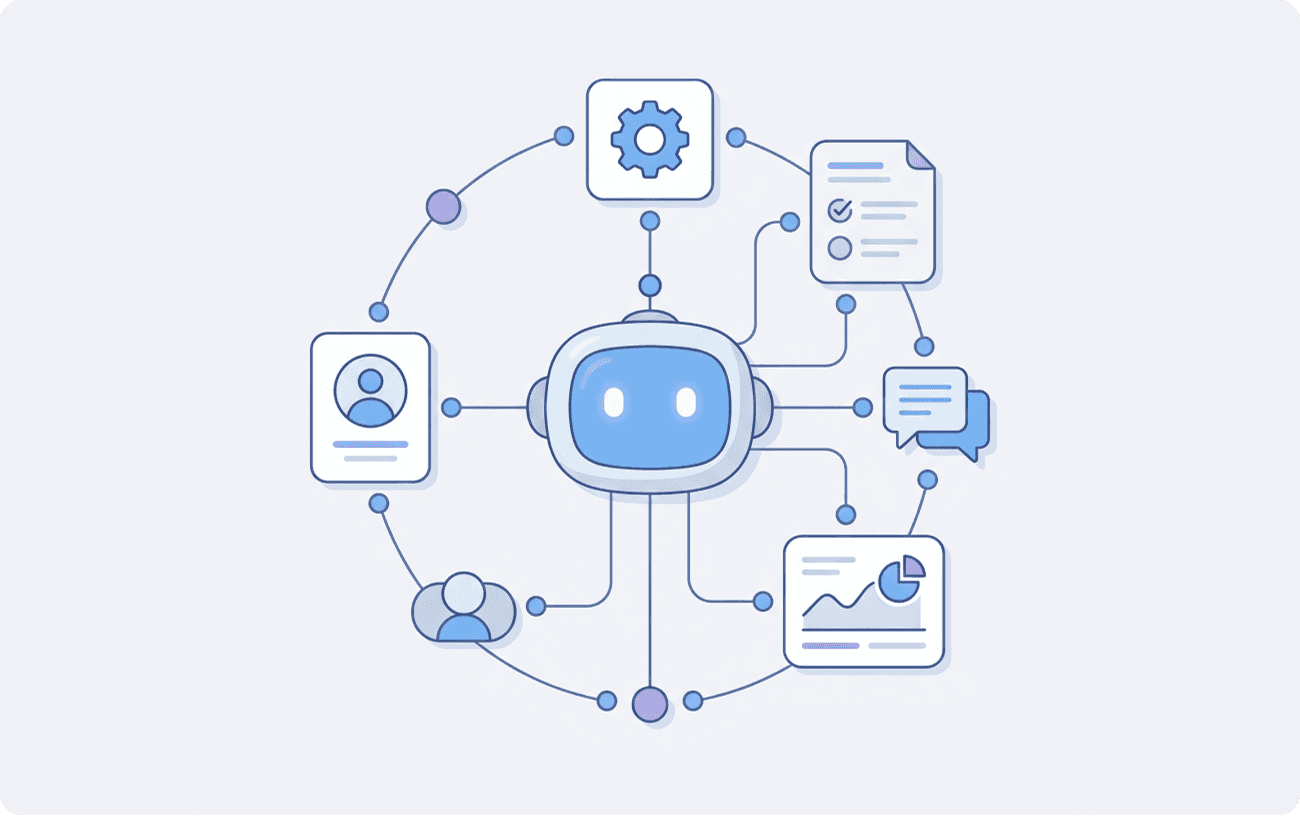
Build systems your team can easily understand and adopt
AI is rapidly removing the manual work that once slowed teams down. Tasks that used to take hours now happen instantly. But while execution is getting faster, many teams are still struggling with clear strategic direction.
Without clear systems, priorities, and ownership, automation alone doesn’t solve the real problem it can actually amplify confusion. In this post, we’ll explore why clarity matters more than ever in an AI-driven workflow and how teams can grow without losing control.
Define clear ownership early before you automate
Automation works best when responsibilities are clear. Without defined ownership, tasks may run but no one is accountable for outcomes.
Before automation, teams need to answer:
Who owns this process?
What does success look like?
When should intervention happen?
Clarity at this level ensures automation supports informed decision-making not replaces it blindly.
Scale faster without hiring more
As your business grows, manual work grows even faster. Instead of adding more staff to handle process volume, automation absorbs the load. AI handles updates, routing, decisions, and follow-ups at scale allowing teams to achieve more with the same resources. This is how fast-growing companies operate efficiently without expanding headcount too early.
Align workflows with real business goals effectively
Many teams automate tasks because they can not because they truly should. This often leads to disconnected systems that don’t actually move the business forward effectively or deliver meaningful long-term impact.
Top teams map automation to outcomes:
Revenue growth
Customer retention
Operational efficiency
When workflows are aligned with real goals, automation becomes a growth engine not just a productivity tool.
Clarity turns automation into growth
AI removes the effort, but clarity defines the outcome. Without it, teams risk automating confusion at scale.
When workflows are clear, structured, and aligned with real goals, automation becomes more than a time-saver it becomes a foundation for growth.
That’s how modern teams scale faster, make better decisions, and operate with confidence in every step and across the entire organization.