


Lead and customer intake workflows automation systems
Manually capturing and organizing incoming leads or requests creates delays and inconsistency. Important information gets lost, and follow-ups become unreliable.
Automated intake workflows ensure that every new lead, form submission, or inquiry is captured, routed without intervention.
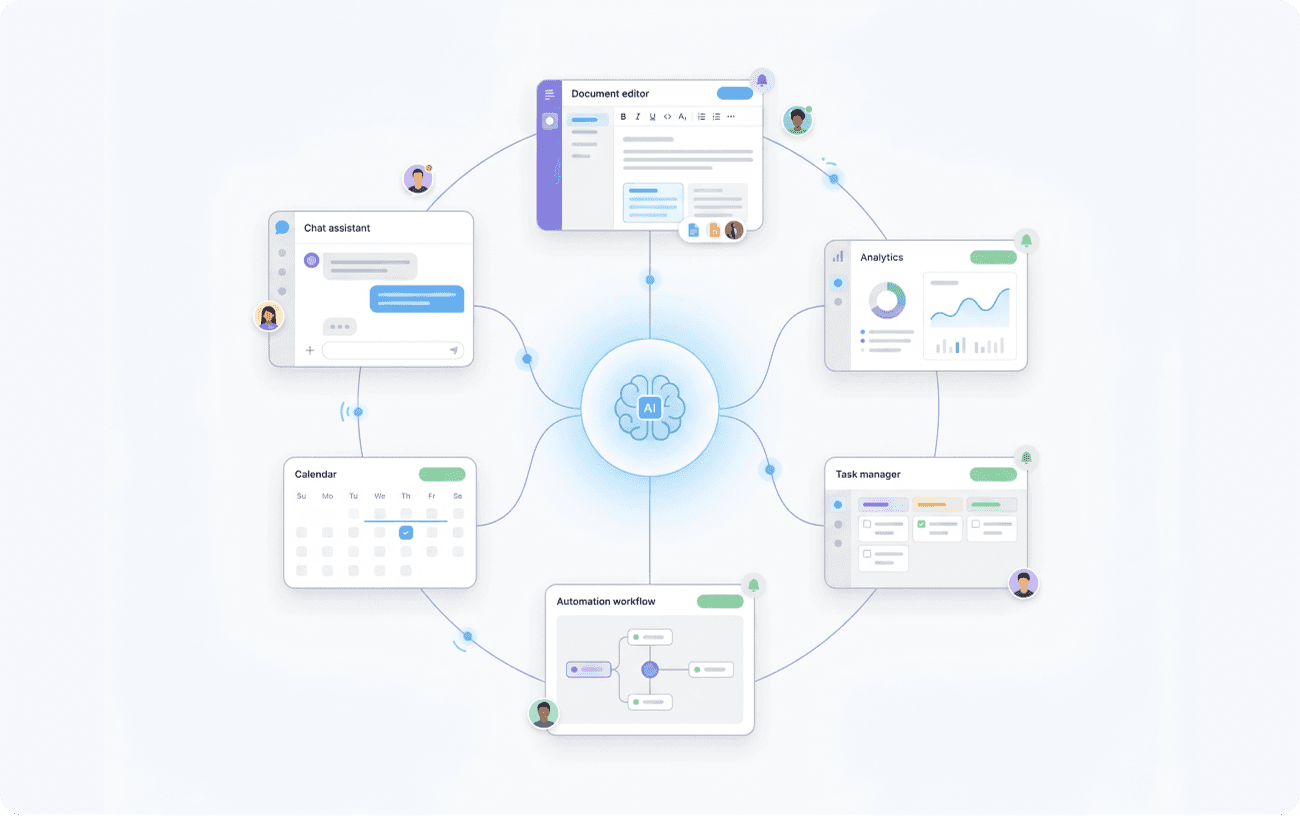
Task creation and assignment
When tasks are created manually, they often lack context, priority, or clear ownership. This leads to confusion and missed deadlines.
Automation can generate tasks automatically based on triggers like new deals, customer actions, or internal updates and assign them to the right person with full context efficiently.
Communication and follow-ups
Consistent communication is critical, but manual follow-ups are easy to forget especially across multiple tools and channels.
Automated workflows can trigger emails, messages, or notifications based on events, ensuring timely communication without constant oversight and delays.
Data syncing across tools
Teams often rely on multiple platforms that don’t naturally communicate with each other. Keeping data consistent across them becomes a constant manual effort.
Automation ensures real-time data syncing between systems eliminating duplication, reducing errors, and keeping everything aligned.
Reporting and performance tracking
Without automated reporting, teams rely on outdated or incomplete data to make critical business decisions.
Automation can generate real-time reports, track metrics, and surface insights giving teams a clear view of performance.
Build workflows that scale with you
Automation isn’t about replacing work it’s about removing friction. The right workflows allow teams to operate faster, stay aligned, and handle growth without adding complexity.
Teams that invest in automation early don’t just save time they build systems that support long-term scale, consistency, and clarity.
That’s what separates teams that struggle to grow from those built to handle it.